





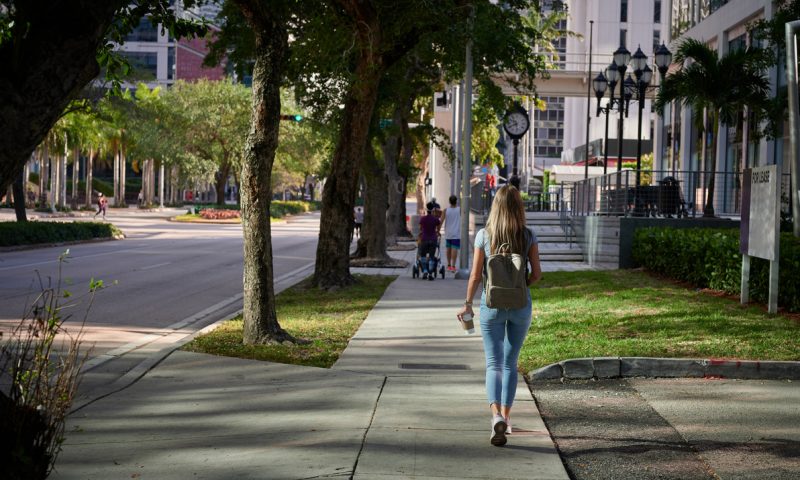
Welcome back. Whether you’re starting your first semester at Florida Atlantic in Boca Raton or returning to Palm Beach State in Palm Beach Gardens, you’ll spend a lot of the next few months on foot. Florida is a beautiful place to walk — and one of the more challenging states to do it safely. We want you to start the year informed, not anxious, so here are the habits that make the biggest difference.
Why South Florida streets demand extra care
Florida regularly appears near the top of national rankings for pedestrian danger. Wide, fast roads, heavy tourist-season traffic, and long blocks between crossings all play a role. None of that means you should stay inside — it means a few smart habits go a long way. If you want a better understanding of your rights, our guide on Florida pedestrian laws explained can help you learn how state law applies when drivers fail to yield, speed through intersections, or ignore crosswalks.
The habits that protect you most
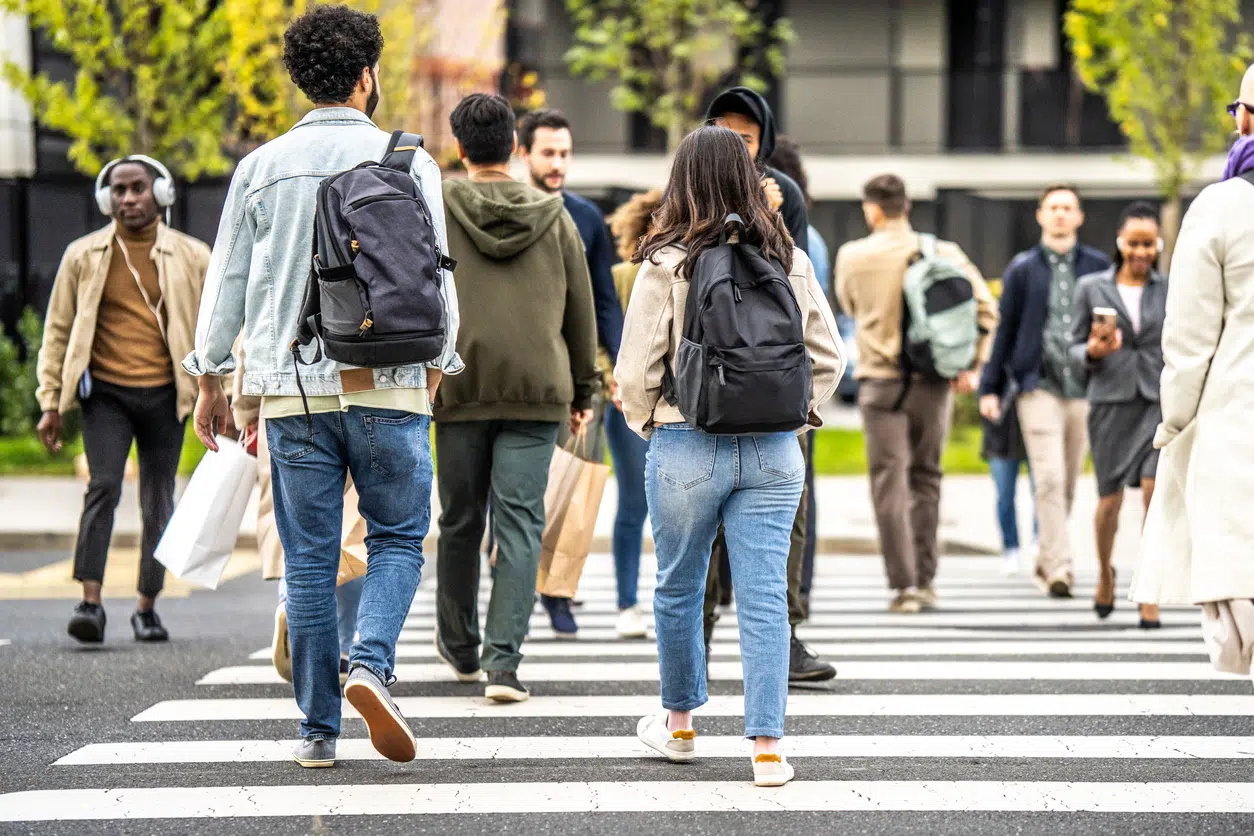
– Cross where the law expects you to. Use marked crosswalks and intersections. Florida gives pedestrians the right of way in many crosswalks (Fla. Stat. 316.130), but drivers don’t always yield — make eye contact before you step out.
– Stay off your phone in the intersection. Distracted walking is one of the most preventable risk factors. Finish the text on the curb.
– Be seen at night. Wear light colors, add a reflective strip or a clip light to your bag, and assume drivers can’t see you until you’re sure they have.
– Walk facing traffic where there’s no sidewalk, so you can react to what’s coming.
– Don’t trust a green light alone. Turning vehicles are a leading cause of crashes in walkable campus areas. Scan left, right, and left again.
Plan your routes before you need them
Walk the path between your housing and campus in daylight first. Note where sidewalks end, where lighting is poor, and which intersections feel rushed. Then map a nighttime route that favors lit, populated streets even if it’s a little longer
What to do if you’re hit
Even careful pedestrians get hurt by careless drivers. If it happens, knowing what to do after a pedestrian accident can help protect both your health and your legal rights:
1. Get medical attention immediately, even if you feel “okay” — adrenaline hides injuries.
2. Call the police and get a crash report.
3. Photograph the scene, the vehicle, and your injuries; collect witness contacts.
4. Don’t give a recorded statement to the driver’s insurer before you understand your rights.
You may also be wondering, how much does it cost to hire an Orlando personal injury lawyer In most injury cases, you can speak with an attorney before paying anything upfront, which makes it easier to understand your options after a serious pedestrian crash.
Florida follows a modified comparative negligence rule (HB 837), so insurers may try to shift blame onto you to reduce what they pay. Having clear evidence — sometimes including traffic-camera footage we can move quickly to preserve through our Warrior Vision approach — helps protect your account of what happened.
We’re here if you need us
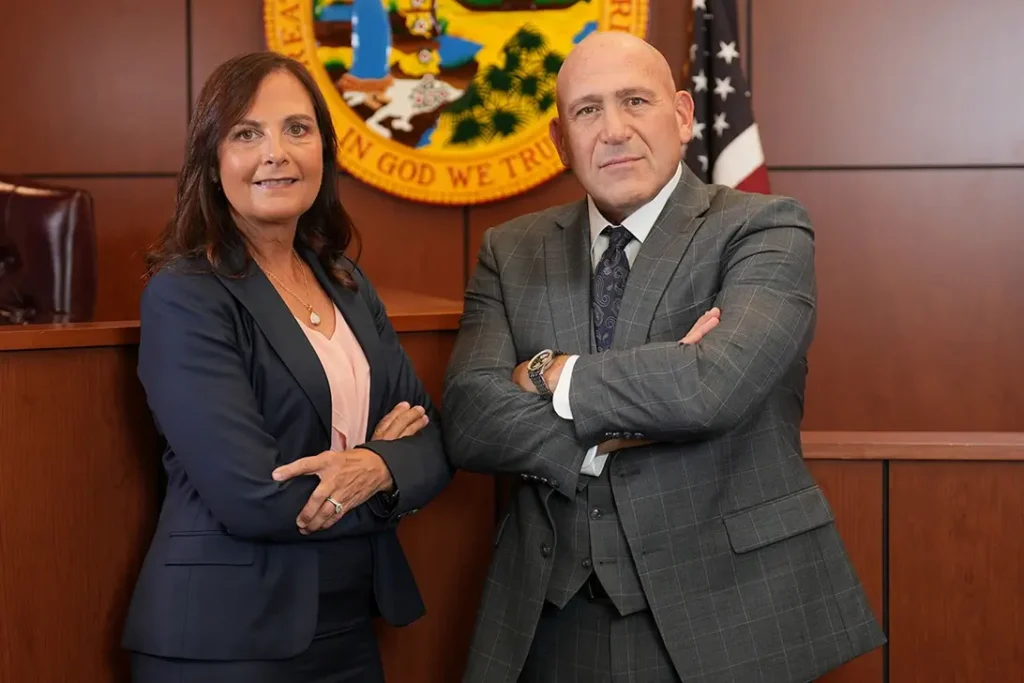
LaBovick Law Group has fought for injured Floridians for more than 35 years, and we treat every client like family. If a driver’s carelessness hurts you, you shouldn’t face the medical bills and insurance calls alone. Whether you need a Pedestrian accident lawyer West Palm Beach residents can trust or guidance from a Boca Raton car accident lawyer after a serious crash, our team is ready to help you understand your options.
Past results don’t guarantee similar outcomes, but we’ll fight relentlessly for what’s fair.
Call now for a consultation and a Free case review. With our No Fee Guarantee, you pay nothing unless we win.

