





Uber and Lyft are a lifeline for students — the safe ride home after a late shift, the lift across town when you don’t have a car. Rideshare is often the smartest choice, especially at night. But a few simple habits make every ride safer, and it helps to know your rights if a crash ever happens. Here’s the student’s guide.
Before you get in
– Verify the car: match the license plate, make, model, and driver photo in the app before you open the door.
– Ask “Who are you here for?” and let the driver answer — don’t say your name first.
– Share your trip status with a friend through the app.
– Wait inside a building or a lit, populated spot, not alone on a dark curb.
During the ride
– Sit in the back seat — it gives you space and a clear exit on either side.
– Wear your seat belt, every time, no exceptions.
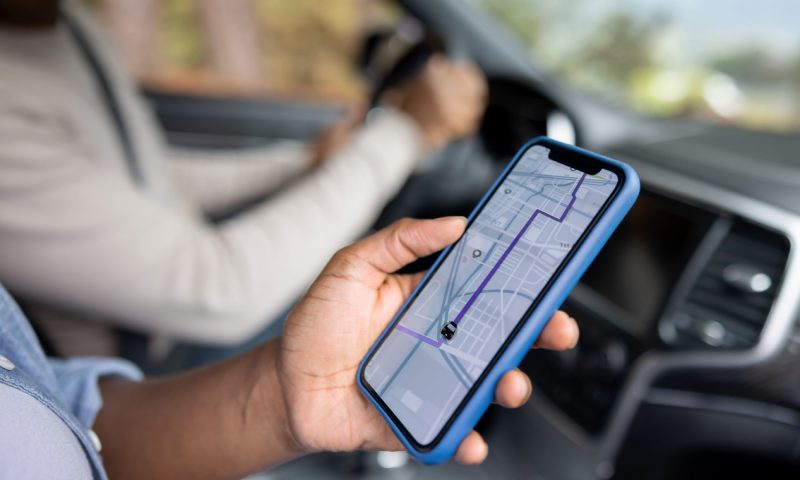
– Keep the route up on your own phone so you’ll notice if something feels off.
– Trust your instincts; you can ask the driver to stop in a safe, public place at any time.
Getting out safely
The most overlooked risk is the exit. Get out on the curb side, not the traffic side, and check for bikes and scooters before opening the door. Stepping out into a travel lane near campus is exactly how avoidable injuries happen.
What to know if you’re in a rideshare crash
Rideshare crashes can be confusing because more than one insurance policy may apply, depending on whether the app was on and whether a passenger was in the car. Florida’s no-fault system and your own PIP coverage may also come into play, and the rules are different from a standard car accident. The short version: don’t assume you’re limited to one source of recovery, and don’t let an adjuster tell you what your claim is worth before you’ve talked to someone in your corner.
If you’re injured as a passenger, driver, pedestrian, or cyclist in a rideshare crash:
1. Get medical attention right away.
2. Report the crash in the app and to police; get a crash report.
3. Screenshot your trip details and driver information before they disappear.
4. Photograph the scene and your injuries; collect witness contacts.
5. Don’t give a recorded statement to any insurer first.
Because Florida uses a modified comparative negligence standard (HB 837), evidence matters — and our Warrior Vision approach helps us move quickly to preserve traffic-camera footage from monitored intersections.
Hurt in a rideshare crash? We can help.
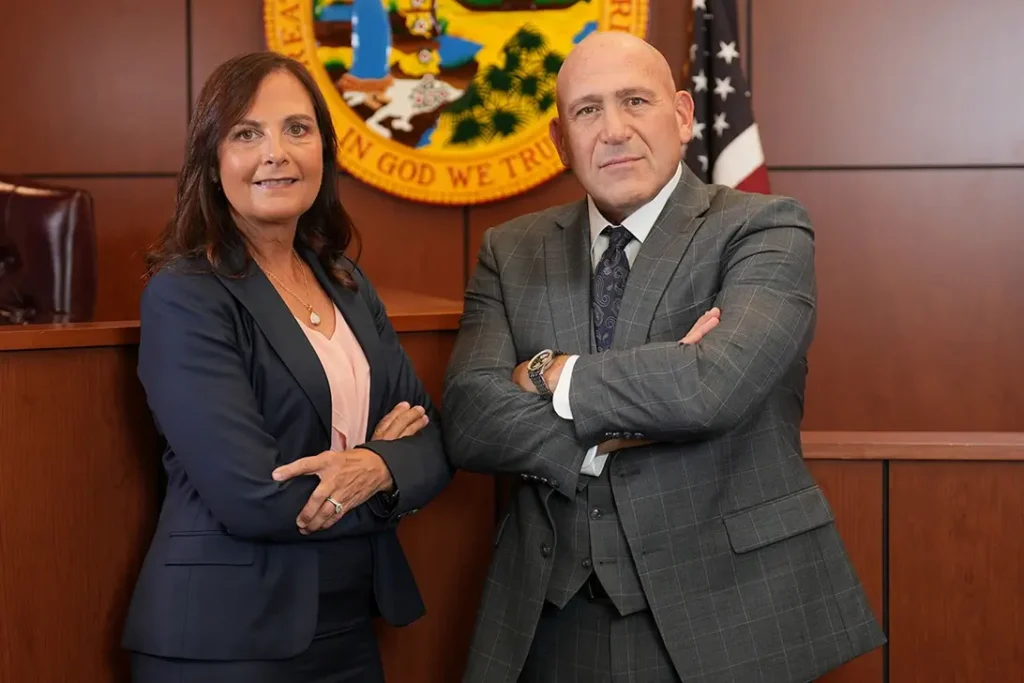
Rideshare injury claims are complex, and the insurance companies have teams working to limit payouts. LaBovick Law Group has fought for injured Floridians for more than 35 years, and we treat every client like family. We’ll sort out the coverage and fight relentlessly for what’s fair. Past results don’t guarantee similar outcomes.
Call now for a FREE consultation — No Fee Guarantee, so you pay nothing unless we win.


