





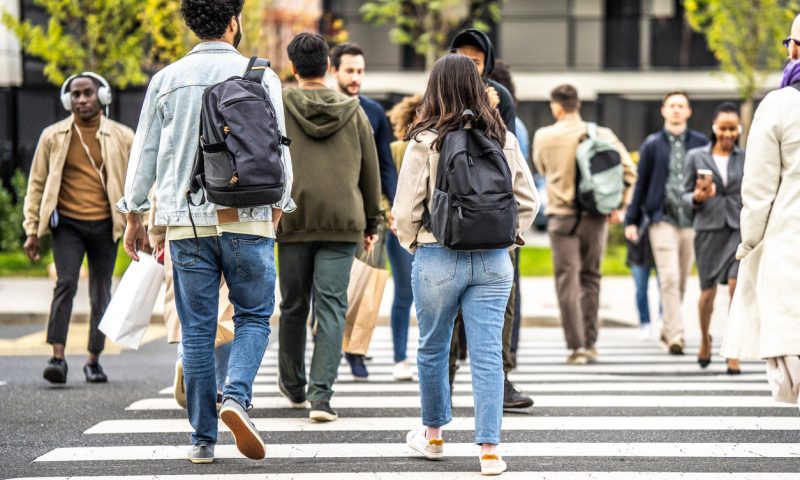
Every August, tens of thousands of students head back to campuses across Palm Beach County, Broward County, and the Treasure Coast — to Florida Atlantic University in Boca Raton, Palm Beach Atlantic and Keiser in West Palm Beach, Palm Beach State College in Palm Beach Gardens, FAU’s Jupiter campus, and Indian River State College in Fort Pierce. Most of them will get around the way students always have: on foot, on bikes and scooters, in rideshares, and on transit. We put this guide together because we care about the families behind those move-in days, and because the data tells a story every student and parent should hear before the semester starts.
Why Florida deserves a closer look
Florida consistently ranks among the most dangerous states in the country for people on foot, according to Smart Growth America’s Dangerous by Design report. Several South Florida metros appear near the top of those national rankings year after year. The reasons are familiar to anyone who lives here: wide, fast roads built for cars, heavy seasonal tourist traffic, year-round outdoor activity, and growing student populations sharing corridors that were never designed with walkers and cyclists in mind.
For students, that environment shows up in everyday routines — crossing a six-lane road to reach off-campus housing, biking to class after dark, or stepping out of a rideshare on a busy street. None of these activities are dangerous on their own. The combination of speed, volume, and visibility is what raises the risk.
Where the risk concentrates

Crashes involving pedestrians and cyclists cluster around predictable places: major arterials near campus, intersections with high turning volume, and corridors that connect student housing to campus. Publicly available crash data from the Florida Highway Safety and Motor Vehicles (FLHSMV) Crash Dashboard and the Signal Four Analytics maps maintained through the University of Florida can help students and families see which corridors near their campus see the most incidents.
This is also where our Warrior Vision approach matters. When a serious crash happens at a monitored intersection, fast access to traffic-camera footage can be the difference between a clear account of what happened and a “he said, she said” dispute with an insurance company. We built that capability because evidence disappears quickly, and the truth deserves a fighting chance.
How students get around — and what to watch for
– Walking: Distraction (phones and headphones) and low visibility at night are the most common, most preventable factors.
– Biking: Right-hook and dooring crashes are frequent in dense campus areas.
– E-bikes and scooters: Speed and unfamiliar local rules create avoidable risk.
– Rideshare: The safest exit point isn’t always the most convenient one — and the curb side matters.
– Transit: Mid-block crossings to reach a bus stop are a recurring danger.
We’ll cover each of these in depth across this series.
A few rules worth knowing
Florida law gives pedestrians the right of way in marked and many unmarked crosswalks (Fla. Stat. 316.130), but the law also expects walkers to use due care. Florida follows a modified comparative negligence standard after the 2023 reforms (HB 837), which means more than half the fault can bar recovery — one more reason prevention matters. And if you are injured, Florida’s statute of limitations for most negligence claims is now two years.
What parents can do
Talk through routes before move-in. Map the walk between housing and campus in daylight and at night. Make sure your student knows how their auto insurance and PIP coverage work if they’re injured in a crash, and save a contact for help. A short conversation now can prevent a hard one later.
If the worst happens
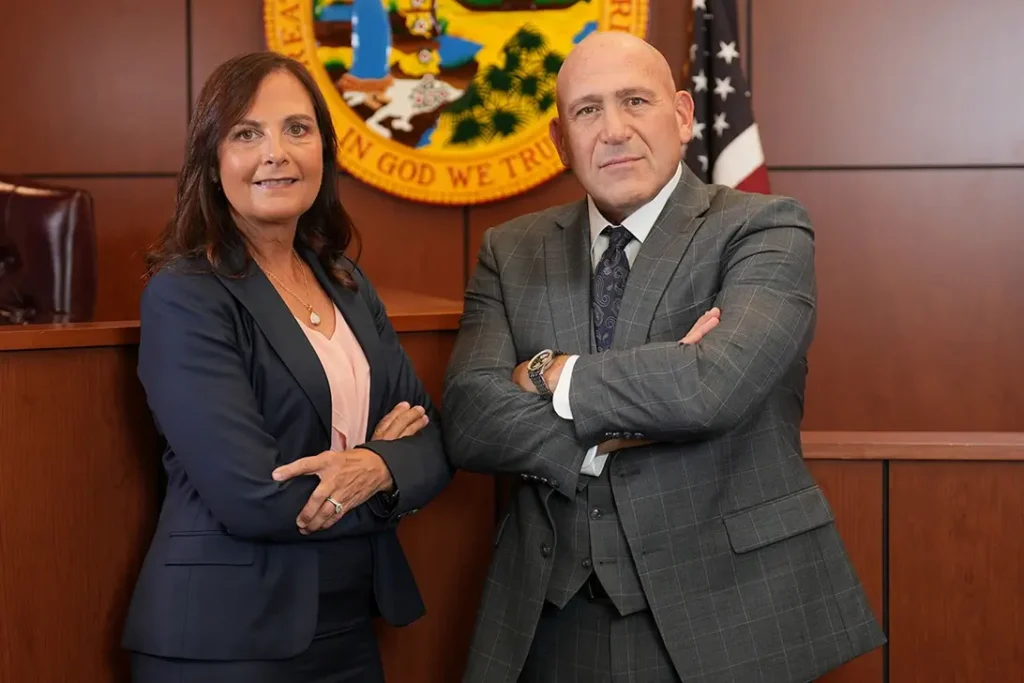
If you or your student is hurt in a car, bicycle, or pedestrian crash, get medical attention first, document everything, and don’t give a recorded statement to an insurer before you understand your rights. LaBovick Law Group has spent more than 35 years standing up for injured Floridians, and we treat every client like family. Past results don’t guarantee similar outcomes, but you deserve a team that fights relentlessly for what’s fair.
Call now for a FREE, no-obligation consultation. With our No Fee Guarantee, you pay nothing unless we win.

