





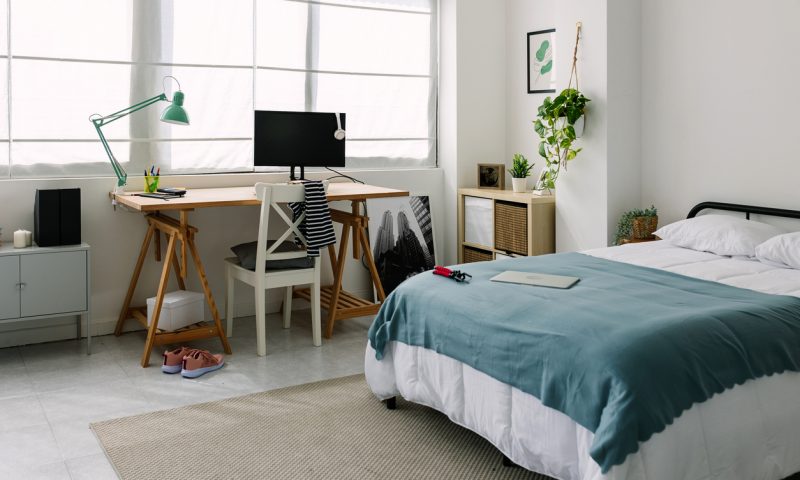
Moving off campus is a milestone — your own place, your own rules. It also means safety is suddenly your responsibility, from the lock on the door to the lighting in the parking lot. Whether you’re renting near Florida Atlantic in Boca Raton, in West Palm Beach, or near Indian River State College in Fort Pierce, here’s how to choose a safe place and protect yourself once you’re in it.
Before you sign the lease
A few minutes of inspection can save you a lot later:
– Check that all exterior doors and windows have working, sturdy locks.
– Test smoke detectors and look for a carbon monoxide detector if there’s gas.
– Note the lighting in hallways, stairwells, parking areas, and walkways at night.
– Look for working handrails on stairs and the condition of balconies and railings.
– Ask about security features and how maintenance requests are handled.
– Read the lease — know who is responsible for repairs and safety issues.
Everyday safety habits
– Lock up every time, even for a quick trip.
– Don’t prop building doors or share entry codes broadly.
– Get to know your neighbors — community is a safety asset.
– Keep walkways and exits clear inside your unit.
– Don’t overload outlets, and never disable smoke detectors.
Parking and walking around your building

Off-campus housing often means more time in parking lots and on the streets between home and campus. Park in lit areas, stay alert getting in and out of your car at night, and use the pedestrian and rideshare habits covered elsewhere in this series.
When the property itself is unsafe
Landlords and property managers have a duty to keep premises reasonably safe. When they don’t — a broken stair, a dark stairwell where an assault occurs, a faulty railing, a pool without proper safeguards — and someone is hurt as a result, that may be a premises liability claim. These cases turn on what the property owner knew or should have known, and what they failed to fix.
If you’re injured on the property
1. Get medical attention right away.
2. Report the hazard to the landlord or manager in writing, and keep a copy.
3. Photograph the condition that caused the injury before it’s repaired.
4. Collect names of any witnesses.
5. Don’t give a recorded statement to an insurer before you understand your rights.
Florida’s modified comparative negligence rule (HB 837) means a property owner’s insurer may argue you were careless, so early documentation matters. And Florida’s statute of limitations for most negligence claims is now two years, so don’t wait on a serious injury.
Hurt because a property wasn’t kept safe? We can help.
LaBovick Law Group has fought for injured Floridians for more than 35 years, treating every client like family. If an unsafe property caused your injury, we’ll fight relentlessly for what’s fair. Past results don’t guarantee similar outcomes.
Call now for a FREE consultation — No Fee Guarantee.

