





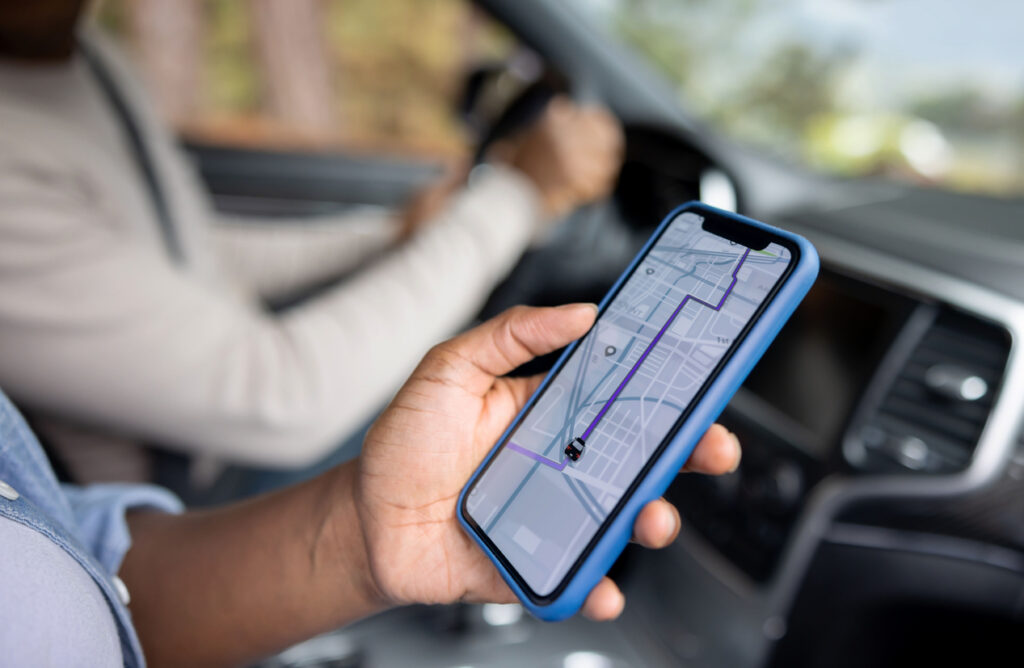

The gap between a $50,000 limit and a $1 million policy comes down to one fact: what the Lyft driver’s app showed at the moment of impact, and insurers won’t explain that to you.
 A Lyft crash is not like a typical two-car collision. The moment a Lyft driver opens that app, a layered system of insurance policies and legal responsibilities comes into play, and which policy actually covers your injuries depends heavily on what the driver was doing at the exact moment of impact.
Lyft’s own insurance structure shifts based on three distinct phases: driver offline, driver available and waiting for a match, or actively transporting a passenger. That distinction alone can be the difference between a $50,000 coverage limit and a $1 million policy. For someone dealing with hospital bills, missed paychecks, and the stress of not knowing who pays for what, that gap is enormous.
A Lyft accident lawyer’s job is to map that complexity before an insurer exploits it, pinpointing who’s responsible, which policy is actually primary, and whether the initial offer accounts for everything you’ve lost. Passengers, other drivers, pedestrians, cyclists: each position in a rideshare crash opens a different legal door. Knowing which one to walk through and pushing it open before evidence disappears is the difference between a check that closes the case and a recovery that covers your life.
Why Lyft Claims Need Closer Review
A Lyft accident lawyer does something an insurance adjuster won’t: they look at the full picture before any coverage gets locked in. That matters because a Lyft accident claim rarely involves just one policy. Depending on where the driver was in the app when the crash happened, the responsible coverage could come from Lyft’s driver insurance program, the driver’s personal policy, another motorist’s carrier, or some combination of all three. The Insurance Information Institute notes that personal auto policies commonly exclude commercial activity, which means a driver’s own coverage may not apply at all — leaving injured people in a gap insurers are in no hurry to explain.
The NAIC warns consumers that this layered structure creates a real risk of underinsurance if you don’t know which coverage is primary and when. That risk isn’t incidental; it’s leverage. Insurers move fast on settlements precisely because a signed release is the cheapest way to close a claim before you understand what your injuries will actually cost. Investigating rideshare liability means going further than the crash report: mapping every dollar of lost wages, every future treatment, every element of pain and suffering that a basic claims process buries in the fine print. That’s the difference between a settlement that feels like relief and one that actually provides it.
Related Injury Claims We Handle
A Lyft crash rarely fits a single legal box. Depending on who was in the vehicle, who caused the collision, and what injuries followed, the same accident can open multiple claim paths at once. The right legal approach has to reflect the full picture of what happened, not just the rideshare element.
Car Accident Lawyer
When another driver’s negligence contributed to the crash, their liability doesn’t disappear just because a Lyft was involved.
Truck Accident Lawyer
Commercial vehicles operate under different rules. If a truck played a role in the collision, carrier liability and federal regulations come into play.
Pedestrian Accident Lawyer
People on foot face serious risk when a Lyft vehicle is stopping, turning, or pulling to the curb. NHTSA data confirms pedestrian fatalities represent a significant share of all traffic deaths.
Wrongful Death Lawyer
For families who lost someone in a fatal rideshare crash, a separate wrongful death claim may be the only path to accountability.
Personal Injury Lawyer
Serious injuries with layered losses, lost income, long-term care, and pain call for a full personal injury law strategy that pursues every source of compensation.
Rideshare crashes overlap with other injury claims more often than people expect. Matching the legal strategy to the actual harm, not just the app status, is what determines whether an injured person recovers what they truly deserve.
 Common Questions After a Florida Lyft Crash
How does Lyft’s insurance coverage work after a crash?
Lyft’s insurance coverage depends on the driver’s app status at the moment of the crash: three distinct phases, each triggering a different level of protection. When the app is completely off, Lyft provides no coverage; the driver’s personal auto policy is the only option, and personal policies frequently exclude commercial activity. Once the driver is logged in and waiting for a ride request, Lyft carries limited liability coverage. The moment a passenger is matched and in the vehicle, Lyft’s full $1 million policy becomes active. That sounds straightforward, but in practice, insurers often contest which phase applied, which is exactly why locking down app records early is so important.
Who can be held liable in a Lyft accident claim in Florida?
Liability in a rideshare crash rarely lands on one party alone. The Lyft driver may be at fault for distracted or reckless driving. Another motorist who caused the collision can also be held responsible. In some situations, Lyft itself may share liability, particularly if there were known issues with the driver’s record. A thorough liability review looks at every angle so no responsible party escapes accountability.
What happens if the Lyft driver was offline, waiting for a ride, or transporting a passenger?
The driver’s app status at the time of the crash is one of the most consequential facts in a rideshare claim. If the driver was offline, you’re dealing with their personal insurer — and coverage gaps are common. If the app was on but no ride was accepted yet, Lyft’s contingent coverage applies but at a lower limit. If a passenger was in the car or en route for pickup, Lyft’s $1 million policy is in play. As LaBovick’s rideshare accident guide explains, getting the app data preserved quickly can be the difference between full coverage and a disputed claim.
What evidence should be preserved after a South Florida Lyft rideshare accident?
Time works against you here. Traffic camera footage gets overwritten, app records can be difficult to obtain later, and witness memories fade. After a crash, the most important things to secure are the Lyft trip receipt showing the driver’s app status, photos of the scene and vehicle damage, any dashcam or surveillance footage, medical records from your first treatment, and contact information from witnesses. LaBovick’s proprietary Warrior Vision technology is specifically designed to capture time-sensitive traffic footage before it disappears the kind of evidence that turns a disputed claim into a documented one.
Have questions specific to your situation? Contact LaBovick Law Group for a free case review — no fees unless we win.
Trusted Help When the Stakes Are High
When you’re dealing with medical bills, missed work, and an insurance system that feels designed to confuse you, who you call matters. LaBovick Law Group has won over 9,000 cases and recovered more than $600 million for injury victims, with more than 1,000 five-star reviews that reflect how clients feel throughout the process, not just at the end of it.
One of the biggest reasons people hesitate to hire a lawyer is the fear of adding more costs to an already strained budget. The American Bar Association explains that contingency fee arrangements mean you pay nothing unless your attorney wins — and that’s exactly how LaBovick works. No upfront costs. No hourly bills. Just focused legal work on your behalf.
LaBovick’s proprietary Warrior Vision technology captures time-sensitive traffic footage before it disappears — building the documented record that holds up against insurance company pushback.
At LaBovick, you get two things most firms can’t pair: the investigative reach to challenge major carriers on every coverage layer, and the personal attention that means your calls get answered, and your questions get straight answers. Over 35 years, $600 million recovered, 9,000-plus cases won, built on one conviction: a complicated insurance structure should never become an excuse to pay you less than you deserve.


