




How Nursing Home Cases Are Valued: What Florida Families Need to Know
You are juggling everything. Work deadlines, school pickups, grocery runs, and on top of all of it, the constant, quiet worry about your mom or dad in a nursing home. You visit when you can. You ask the staff questions. You try to trust that they are keeping your parent safe.
Then something changes. Maybe you notice a bruise that nobody can explain. Maybe your parent seems withdrawn, confused, or afraid. Maybe they develop a bedsore that was not there last week. Your gut is telling you something is wrong, and you do not know what to do next.
If you suspect your loved one has been harmed through nursing home abuse or neglect, you are not alone, and you are not powerless. One of the most common questions families ask us at LaBovick Law Group is a very practical one: how nursing home cases are valued, and what that means for their family. This guide answers that question clearly and honestly, without the legal jargon, so you can make informed decisions for the person you love.
Why Nursing Home Cases Are Different from Other Injury Claims
Most personal injury cases involve a single event: a car crash, a slip and fall, a truck collision. Nursing home abuse and neglect cases are often more complex. The harm may have unfolded over days, weeks, or even months. It may involve multiple staff members, shifting management, and a corporate ownership structure designed to obscure accountability.
Florida law recognizes this complexity. The Florida Nursing Home Residents’ Rights Act (Chapter 400, Florida Statutes) establishes clear legal protections for nursing home residents. When a facility or its staff violates those protections and causes harm, the resident, or their family, may have the right to pursue compensation.
Understanding how nursing home cases are valued starts with understanding what the law allows you to recover, and what factors shape that number.
The Core Factors That Determine the Value of a Nursing Home Case
Attorney reviewing documents at a desk with a Florida nursing home case file. Alt text: “LaBovick attorney reviewing nursing home negligence case documents in Florida.”
No two nursing home cases are identical. The value of a claim depends on a combination of factors that our team carefully investigates and documents. Here are the most significant:
The Nature and Severity of the Harm
Courts and insurance adjusters look first at what actually happened to your loved one. A one-time incident that caused minor, temporary discomfort will typically result in lower compensation than ongoing neglect that caused serious physical injury, permanent disability, or death. Common injuries in nursing home cases include:
- Pressure ulcers (bedsores), particularly Stage 3 or Stage 4 wounds that reach muscle or bone
- Falls caused by inadequate supervision or unsafe conditions
- Malnutrition and dehydration from failure to provide adequate care
- Infections that resulted from poor hygiene or wound care
- Medication errors that caused overdose, under-treatment, or dangerous drug interactions
- Physical abuse injuries, including bruising, fractures, or internal trauma
- Emotional and psychological harm from isolation, intimidation, or verbal abuse
The more severe and lasting the injury, the more weight it carries in calculating a case’s value.
Economic Damages: The Concrete Financial Losses
Economic damages are the documented, calculable costs of the harm. These typically include:
- Medical expenses related to treating the injuries the facility caused or failed to prevent
- Costs of transferring your parent to a different, safer facility
- Rehabilitation or therapy expenses
- Future medical care if your loved one’s condition requires ongoing treatment
- Funeral and burial expenses in wrongful death cases
These figures are anchored in real bills, records, and expert projections. They form the foundation of any nursing home case valuation.
Non-Economic Damages: Pain, Suffering, and Loss of Dignity
Florida law also allows recovery for non-economic damages, which are harder to quantify but just as real. These include:
- Physical pain and suffering your parent endured
- Emotional distress, anxiety, and fear
- Loss of dignity from being neglected, humiliated, or abused
- Loss of enjoyment of life
- In wrongful death cases, the grief and loss experienced by surviving family members
Florida’s modified comparative negligence rules, established under HB 837 and codified in Florida Statutes, may affect how these damages are calculated if the defense argues shared fault. Under the 51% bar, a claimant who is found more than 51% at fault cannot recover damages. In nursing home cases, this argument is rarely successful, but it is one our attorneys are fully prepared to counter.
Punitive Damages: Holding Facilities Accountable
In cases involving intentional misconduct or gross negligence, Florida courts may award punitive damages. These are meant to punish the defendant and deter future wrongdoing, not simply to compensate the victim. Punitive damages can significantly increase the total value of a nursing home case.
When a facility’s corporate management knowingly understaffed floors to cut costs, or when leadership ignored repeated warnings about a dangerous employee, punitive damages may be appropriate. Florida Statute 768.736 and related provisions govern when punitive damages are available in negligence cases. Our team evaluates this possibility in every case we review.
The Strength of the Evidence
Close-up of nursing home medical records and documentation on a desk. Alt text: “Medical records and nursing home documentation used as evidence in a Florida elder neglect case.”
A case’s value is directly tied to how well it can be proven. Strong evidence drives stronger outcomes. Evidence in nursing home cases can include:
- Medical records and nursing notes from the facility
- Internal incident reports (which facilities are sometimes slow to share)
- Photographs of injuries documented over time
- Surveillance footage, when available
- Testimony from other residents, visiting family members, or staff
- Expert opinions from medical professionals and nursing care specialists
- State inspection reports and citations from the Florida Agency for Health Care Administration (AHCA)
At LaBovick Law Group, we move quickly to preserve this evidence before it disappears. Time matters in these cases.
The Defendant’s Financial Resources and Insurance Coverage
Many nursing homes in Florida are owned by large corporate chains with substantial assets and insurance policies. The depth of those pockets matters when assessing how much compensation is realistically recoverable. Our team investigates the full ownership structure of every facility, because accountability often reaches beyond the building itself to the management company or parent corporation that set the policies driving the neglect.
Florida’s Statute of Limitations: Why You Cannot Wait
Under Florida’s 2023 tort reform (HB 837), the statute of limitations for most negligence claims, including nursing home negligence, is two years from the date the harm was discovered or should have been discovered. In wrongful death cases, the clock typically starts from the date of death.
Two years can feel like a long time when you are overwhelmed with grief and caregiving responsibilities. But evidence fades, witnesses move on, and facilities can destroy records. The sooner you speak with an attorney, the better protected your family will be.
Signs That Your Parent May Have a Nursing Home Claim
You do not need to have all the answers before you call us. If you are noticing any of the following, it is worth a conversation:
- Unexplained bruises, cuts, or broken bones
- Rapid, unexplained weight loss
- Bedsores appearing or worsening despite your concerns being raised
- Signs of dehydration: dry lips, sunken eyes, dark urine
- Your parent seems fearful, withdrawn, or anxious around certain staff members
- Repeated infections that the facility did not catch or treat promptly
- Soiled clothing or bedding discovered during your visits
- Staff who cannot answer basic questions about your parent’s care
- Sudden changes in mood, behavior, or cognitive function that were not present before
Trust your instincts. You know your parent. If something feels wrong, it deserves to be investigated.
What LaBovick Law Group Does to Value and Build Your Case
LaBovick Law Group attorneys meeting with a family in a warm, welcoming conference room. Alt text: “LaBovick Law Group attorneys consulting with a Florida family about a nursing home neglect case.”
When you bring your family’s situation to us, our team does not hand you off to a paralegal and disappear. We treat you like family, because that is exactly what we mean when we say it. Here is what our process looks like:
A thorough review of your parent’s medical records. We obtain and analyze every document the facility holds on your loved one, looking for gaps in care, missed warning signs, and documentation of the harm itself.
Expert medical evaluation. We work with nursing care experts and medical professionals who can speak to the standard of care your parent was owed and where the facility fell short.
A full investigation of the facility. We review AHCA inspection history, staffing records, and prior complaints to build the complete picture of the facility’s conduct.
Valuation grounded in real numbers. We calculate economic damages with precision and work to document non-economic damages in ways that resonate with judges and juries alike.
Relentless negotiation, and trial readiness when needed. Insurance companies and corporate defense teams know which law firms are prepared to go to court. We are one of them. That readiness shapes every settlement conversation.
Our No Fee Guarantee means you pay nothing unless we win your case. There is no financial risk to finding out where your family stands.
Frequently Asked Questions About How Nursing Home Cases Are Valued
How long does a nursing home case take to resolve?
It depends on the complexity of the case and whether the facility’s insurer is willing to negotiate in good faith. Straightforward cases may settle within several months. Cases involving serious injuries, disputed liability, or uncooperative corporate defendants may take a year or longer. We keep you informed at every stage, and we never rush a settlement at the expense of your family’s recovery.
Can I file a claim if my parent has dementia or cannot speak for themselves?
Yes. Family members or legal guardians can pursue a nursing home claim on behalf of a resident who lacks the capacity to advocate for themselves. In fact, residents with cognitive impairments are among the most vulnerable to abuse and neglect, and the law is designed to protect them.
What if my parent passed away from their injuries?
Florida’s wrongful death statute allows certain surviving family members to pursue a claim on behalf of a deceased loved one. Recoverable damages in wrongful death cases can include the pain and suffering your parent endured before death, as well as the grief and loss experienced by survivors. We handle these cases with the deepest care and respect.
Does it matter which nursing home my parent was in?
Yes, in the sense that the facility’s history, ownership, staffing levels, and prior AHCA citations all factor into building and valuing a claim. However, geography does not limit your ability to file. LaBovick Law Group handles nursing home cases across South Florida and beyond.
Will the nursing home be notified right away if I hire an attorney?
Not necessarily during our initial investigation. We move carefully and strategically to preserve evidence before alerting the facility or its insurer. Timing matters, and our team manages it with that in mind.
What if I am not sure my parent was actually abused or neglected?
That uncertainty is exactly why we offer a free consultation. You do not need to come to us with a complete case. You need to come to us with your concerns, and we will help you understand whether what happened rises to the level of legal negligence. There is no pressure, no obligation, and no cost to that conversation.
How is the value of my parent’s pain and suffering calculated?
There is no simple formula, and any attorney who gives you a quick number without reviewing the facts is not being straight with you. Pain and suffering valuation takes into account the severity of the physical harm, how long your parent endured it, how their quality of life was affected, and what a reasonable jury in Florida would consider fair. Our attorneys apply experience from thousands of cases to make that assessment carefully and honestly.
You Are Not Doing This Alone
Warm exterior photo of a LaBovick Law Group South Florida office. Alt text: “LaBovick Law Group office in South Florida, representing nursing home abuse and elder neglect victims.”
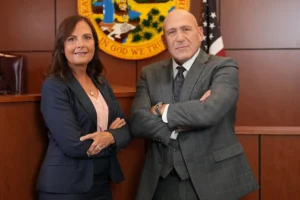 If you are reading this, you are probably carrying more than most people will ever understand. You are trying to do right by your parent while holding everything else together. Suspecting that the facility you trusted has harmed the person you love is one of the most painful realizations a caregiver can face.
You do not have to figure this out alone. LaBovick Law Group has spent more than 35 years fighting for Florida families, recovering over $600 million for clients across thousands of cases. Those numbers represent real people and real families who found their footing again after something terrible happened.
We are Warriors for Justice, and we are ready to stand beside you.
Call us today for a free, no-pressure consultation. We will listen, we will be honest with you, and we will tell you clearly what your options are. You pay nothing unless we win.