






Move-in week is exciting and a little chaotic — packed parking lots, loaded carts, unfamiliar streets, and a thousand things to remember. It’s also one of the higher-risk weeks of the year around campus, simply because so many people, cars, and distractions converge at once. A little planning keeps the day about new beginnings, not unexpected injuries. Here’s a checklist for students and parents heading to campuses across Palm Beach County and the Treasure Coast.
Driving and parking in the crowd
– Slow way down in lots and on campus roads — pedestrians are everywhere and not all are paying attention.
– Follow the campus move-in traffic plan and assigned time slots; they exist to prevent gridlock and fender-benders.
– Watch for people stepping out from between parked cars and trucks.
– Don’t block crosswalks or fire lanes while unloading.
– Back in or pull through where you can, so you’re not reversing blindly into foot traffic later.
Lifting and hauling without getting hurt
Move-in injuries aren’t all about cars. Strains, falls, and dropped furniture are common:
– Lift with your legs, keep loads close, and don’t twist.
– Use a dolly or cart for heavy items and take the elevator, not a stair-balancing act.
– Clear stairwells and doorways before you carry anything through.
– Stay hydrated — Florida’s late-summer heat is no joke, and heat exhaustion sneaks up during a long move.
Setting up a safe space
– Test smoke detectors and locate exits in the dorm or apartment.
– Don’t overload outlets and power strips with mini-fridges, gaming setups, and chargers.
– Note the nearest campus security station and save the campus safety number.
Parents: a few conversations worth having
Before you drive home, walk the route between housing and campus together, in daylight and after dark. Make sure your student understands how their auto insurance and PIP coverage work if they’re ever in a crash, and that they know to get medical care and call for help right away. These five-minute talks are the kind that prevent much harder days later.
If an injury happens during the move
Whether it’s a parking-lot collision or a fall caused by an unsafe condition on the property, get medical attention first, document what happened with photos and witness information, and don’t give a recorded statement to an insurer before you understand your rights. Florida’s modified comparative negligence rule (HB 837) means fault can be disputed, so evidence matters from the start.
We’re here for your family
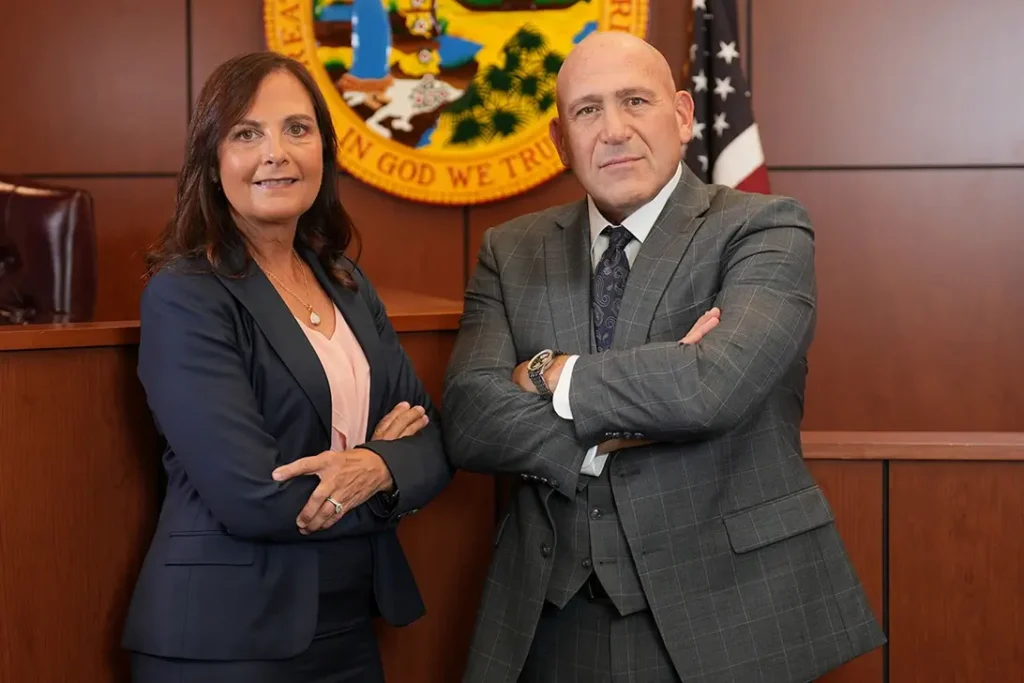
LaBovick Law Group has stood up for injured Floridians for more than 35 years, and we treat every client like family — which feels especially fitting at the start of a new chapter. If someone’s carelessness causes an injury, we’ll fight relentlessly for what’s fair. Past results don’t guarantee similar outcomes.
Have questions after an injury? Call now for a FREE consultation — No Fee Guarantee.

