





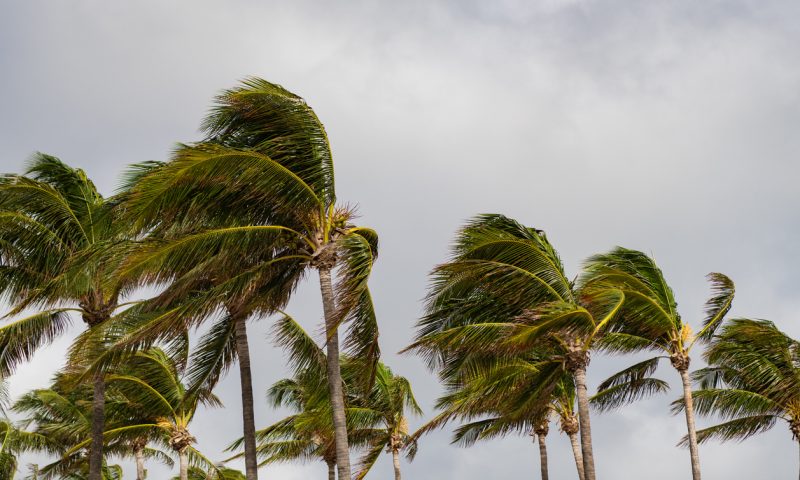
For many students, college is the first time they’ll face hurricane season without family nearby. In South Florida, that’s not a hypothetical — storms are part of life from June through November. The goal isn’t to scare you; it’s to make sure that when a warning goes up, you already know exactly what to do. A little preparation turns a stressful situation into a manageable one.
Make your plan before the first watch
– Know your campus emergency procedures and sign up for your school’s alert system.
– Learn whether your dorm or building is a designated shelter or whether you’ll need to relocate.
– Identify your evacuation options early: a friend or relative inland, an official shelter, or your school’s plan.
– Agree on a check-in routine with family so everyone knows you’re safe even if cell service is spotty.
– Keep your gas tank at least half full and some cash on hand once a storm is forecast.
Build a simple kit
You don’t need a bunker — just the basics:
– Water (one gallon per person per day for at least three days) and non-perishable food.
– Flashlight, batteries, and a portable phone charger or two.
– A small first-aid kit and a week of any prescription medication.
– Copies of your ID, insurance cards, and important documents in a waterproof bag.
– A printed list of emergency contacts in case your phone dies.
When a storm is coming
– Follow official instructions — if local authorities or your school say evacuate, evacuate.
– Charge everything and fill water containers.
– Secure or bring in anything loose on balconies and patios.
– Stay off the roads as conditions worsen; most storm injuries happen to people who venture out too early or too late.
After the storm
– Watch for downed power lines, flooding, and standing water — never drive through it.
– Be cautious with generators (carbon monoxide is a silent danger) and damaged buildings.
– Document any property damage with photos for insurance.
– Check in with family and your school as soon as it’s safe.
A note on staying safe on the roads
Post-storm streets are hazardous: dark intersections with no working signals, debris, and confused traffic. Treat every dark signal as a four-way stop and drive slowly. If a crash does happen in those conditions, get medical care, document the scene, and don’t assume the chaos means no one is responsible.
We’re part of this community too
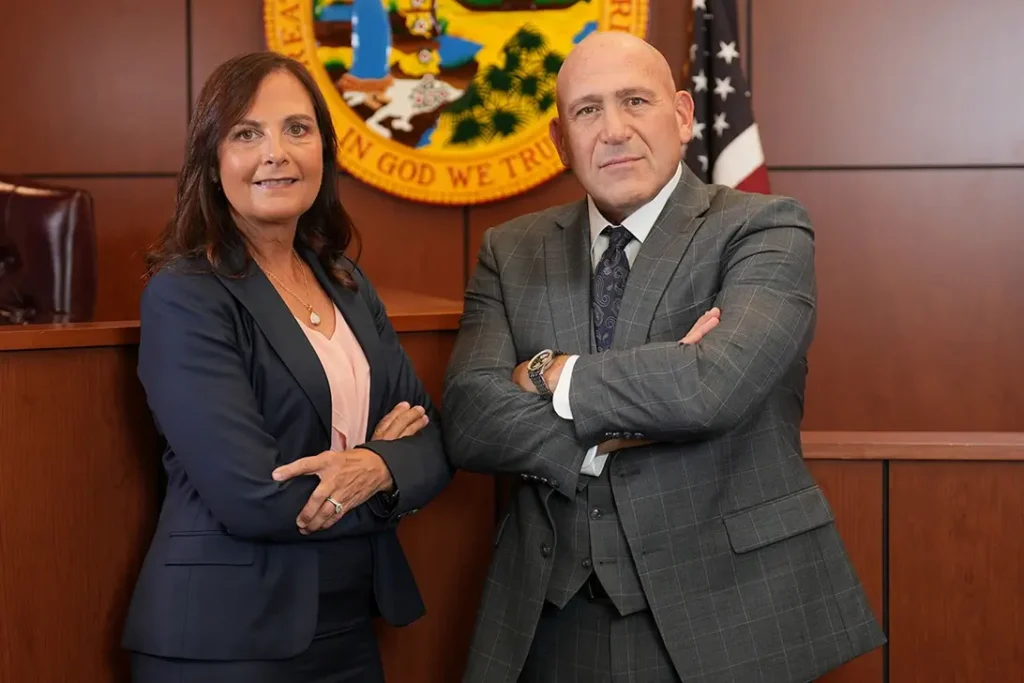
LaBovick Law Group is proud to support South Florida through initiatives like Safety4Life, because we believe in standing up for our neighbors in and beyond the courtroom. Stay safe this season, look out for one another, and reach out if your family ever needs us.
If you’re injured because of someone else’s negligence, call for a FREE consultation — No Fee Guarantee. Past results don’t guarantee similar outcomes.

