





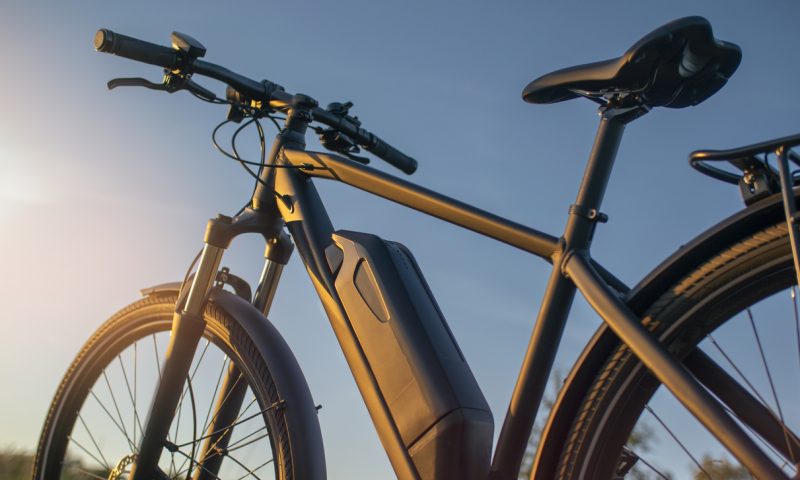
E-bikes and electric scooters have taken over campus life across South Florida, and it’s easy to see why — they’re fast, cheap, and perfect for the sprawl between class, housing, and the rest of town. They also move quickly enough to turn a small mistake into a serious injury. Here’s how to ride smart at Florida Atlantic in Boca Raton, Palm Beach State, FAU Jupiter, Indian River State College, and everywhere in between.
Know the local rules before you ride
Florida treats many electric scooters and bicycles similarly to traditional bikes, and local governments can set their own rules about where you can ride and park (Fla. Stat. 316.2128 and related provisions). Cities and campuses often restrict sidewalk riding, set speed caps, and designate parking zones. Check your campus transportation page and city ordinances — “I didn’t know” won’t help you after a crash, and it can affect fault.
Helmet note: Florida requires bicycle riders under 16 to wear a helmet (Fla. Stat. 316.2065). Even if you’re older, a helmet is the single best protection against the injuries that change lives.
Riding habits that prevent the common crashes
– Ride predictably and with traffic, not against it.
– Use bike lanes where they exist; take the lane when it’s safer than squeezing past parked cars.
– Slow down at intersections and driveways — turning drivers often don’t see scooters.
– Watch for car doors when passing parked vehicles; give yourself a buffer.
– Don’t ride two-up or with headphones in both ears.
– At night, use front and rear lights — they’re not optional for visibility, and often not optional under local law.
The injuries we see most

Scooter and e-bike crashes commonly cause wrist and arm fractures, facial injuries, and head trauma — especially without a helmet. Speed makes everything worse. Treating these devices like the fast vehicles they are is the mindset that keeps you safe.
If you’re injured
1. Get medical care right away; head and wrist injuries can be deceptive.
2. Report the crash and get a police report if a vehicle was involved.
3. Photograph the scene, the device, the vehicle, and your injuries; gather witnesses.
4. Preserve the device and don’t repair or discard it — it can be evidence.
Liability in scooter and e-bike cases can be complicated: a negligent driver, a defective device, or a dangerous road condition could all play a role. Florida’s modified comparative negligence rule (HB 837) means an insurer may try to pin fault on you, so evidence matters. Where a monitored intersection is involved, our Warrior Vision approach helps us move fast to preserve traffic-camera footage before it’s overwritten.
You don’t have to sort this out alone

For more than 35 years, LaBovick Law Group has stood up for injured Floridians, treating every client like family. If a careless driver or a faulty device hurt you, we’ll fight relentlessly for what’s fair. Past results don’t guarantee similar outcomes.
Call now for a FREE consultation — No Fee Guarantee, so you pay nothing unless we win.


